Have you ever gotten the urge to buy a product by simply looking at the website? Well, I don’t know about you but I have and mainly for clothes. It’s like you just look at the website and wish to buy each and every item in your wish list- even when you already have enough clothes sitting in your wardrobe. Have you ever wondered why this happens?
Well, fashion brand websites carefully make use of colour and other design elements to influence one’s perception. These design elements not only evoke emotions but they also tend to shape your behaviour. Colour psychology plays a major role in this. Pink may or may not be your favourite colour but you still end up purchasing that pink top, which you do not even pay attention to now. This happens mainly because of the emotion that that colour might resonate for you.
Many of you may ask: what is colour psychology?
So, it is scientifically proven that colours can influence human behaviour, emotions, and also your decisions. Colour psychology is the study of how colours play a role in shaping certain behaviours and impact your choices.
Most of the fashion brands take aid of colour psychology and persuade people to purchase their product. These deep psychological principles tend to strengthen the brand identity, ensure retained customers and drive engagement. Up to 85-90% of a person’s first impression of a product or brand comes from colour alone – the colours of the cloth designs and the colour palette of the entire website or the application.
Therefore, companies carefully pick colours that signal trust, energy, luxury or freshness depending on the identity they want to give away to its consumers and helps it stand out from the rest.
For example, Nike’s main logo is a simple black on a white or neutral background, which communicates strength and power, compelling the audience to think that it gives a premium performance. On the other hand, H&M uses a bold red logo that signals trendiness, excitement, and impulse-buy energy which perfectly matches its idea of fast-fashion and youth-focused identity.
Colours usually trigger emotional responses. For example, the colour blue represents a wide range of emotions such as calmness, trust and stability, and the colour pink is linked with the feelings of love, compassion and nurturing.
These colours are linked to certain emotions. Fashion brands tend to use this to their advantage so that they can encourage people to buy their products and increase their overall sales.
Colours are processed by the visual cortex and linked to the emotional centres in the brain such as the amygdala which regulates all the emotions. Therefore seeing a certain colour can automatically trigger feelings or any physical reactions. Due to the ‘learned’ and cultural meanings, for example red resembles passion or anger and blue shows trust, people evaluate colours swiftly and often unconsciously, which then shapes their choices and actions.
How do fashion brands use this to their benefit?
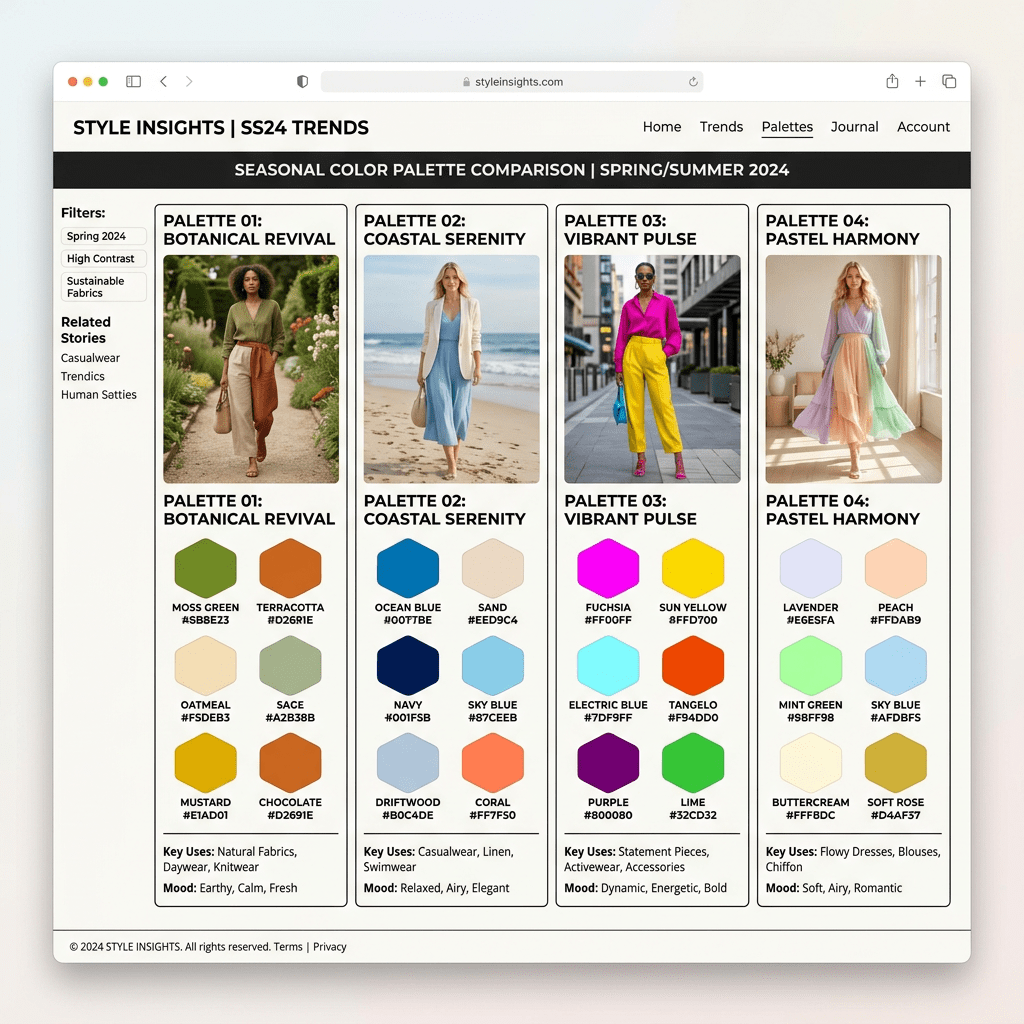
Colours such as red and orange can signal energy, enthusiasm and a sense of urgency compelling the consumers to make an impulsive purchase. Similarly, blue and green suggest peace and calm promoting a feeling of sustainability, which suits the premium brand labels giving the consumers a luxury feel. Overall, black and deep tones are linked to luxury and sophistication, while pastels can feel soft, youthful and feminine.
 PsychWear